
Urban Homesteading for Beginners: How to Build a More Self-Sufficient Life Anywhere

You don’t need 20 acres, a red barn, or a flock of chickens wandering through a pasture to become a homesteader. In fact, some of the most productive homesteads are tucked into ordinary backyards, suburban neighborhoods, and even apartment balconies.
Urban homesteading is about learning to produce more of what your household uses, waste less, and become increasingly self-sufficient with the space and resources you already have. A small vegetable garden, a shelf of home-canned tomatoes, a compost bin, or a backyard chicken coop can all be pieces of an urban homestead.
If you’re interested in homesteading for beginners, the best approach isn’t to transform your entire property overnight.

“Start small, develop useful skills, and build your homestead one project at a time.”
What Is Urban Homesteading?
Urban homesteading is the practice of incorporating traditional homesteading skills into life in a city, town, or suburban neighborhood.
While traditional homesteading is often associated with large rural properties, urban and suburban homesteadingfocuses on making efficient use of smaller spaces.
An urban homestead might include:
- Raised-bed vegetable gardens
- Backyard chickens
- Composting
- Fruit trees and berry bushes
- Herb gardens
- Rainwater collection
- Food preservation
- Homemade household products
- Seed saving
- Sourdough and bread making
- Pollinator gardens
- Energy and water conservation
There is no checklist you must complete before calling your property a homestead. The goal is simply to become more intentional about how your household produces, consumes, and uses resources.
1. Start a Small Backyard Garden
For many people, starting a homestead begins with growing food.
Even a surprisingly small garden can produce a meaningful amount of fresh vegetables when the space is planned carefully.
Beginners should concentrate on vegetables and herbs their household already eats. Tomatoes, peppers, lettuce, green beans, cucumbers, zucchini, basil, and other common garden crops are excellent places to begin.
If your yard has limited space, consider raised-bed gardening. Raised beds make it easier to control soil quality, organize plants, manage weeds, and maximize production.
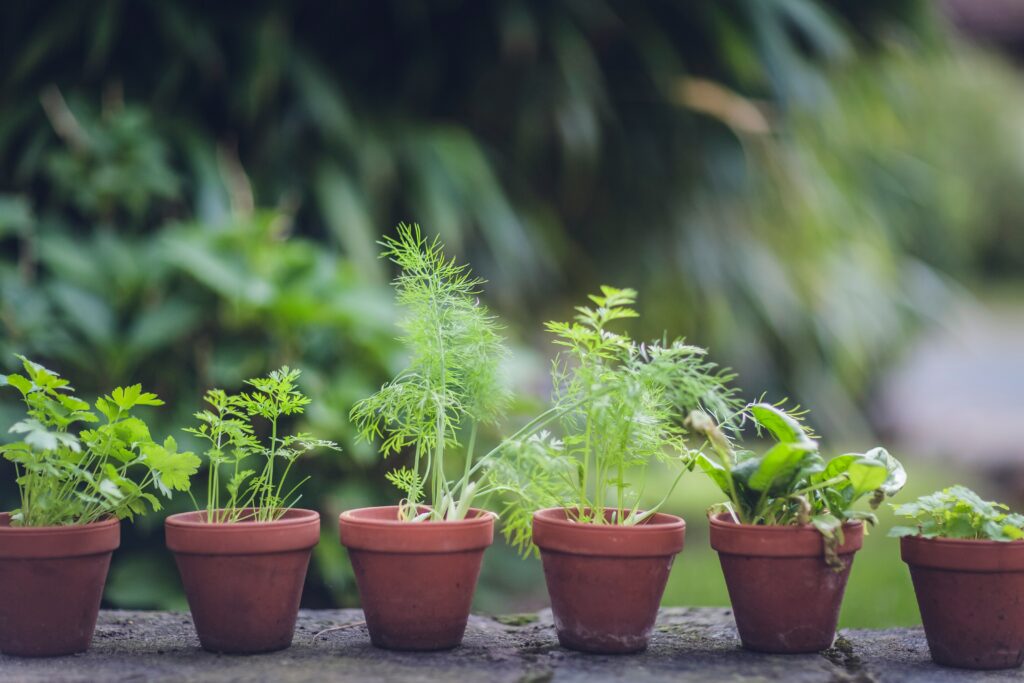
No backyard? Container gardening works too.
Tomatoes, peppers, herbs, strawberries, lettuce, and many other edible plants can grow successfully in pots on patios, balconies, porches, and other sunny spaces.
A Simple Reminder
Vertical gardening can stretch limited square footage even further. Trellises allow cucumbers, pole beans, peas, and some squash varieties to grow upward rather than sprawling across valuable garden space.
2. Grow Food Beyond the Vegetable Garden
A productive urban homestead doesn’t have to look like rows of vegetables.
Edible landscaping allows plants to serve multiple purposes.
Instead of planting purely ornamental shrubs, consider blueberries. Strawberries can become groundcover. Herbs can fill flower beds, while dwarf fruit trees can provide shade, spring blossoms, and eventually a harvest.
Perennial foods are particularly useful for small-space homesteading because established plants can produce for years.
Depending on your growing zone and available space, consider planting:
- Raspberries
- Blackberries
- Blueberries
- Strawberries
- Rhubarb
- Asparagus
- Grapes
- Dwarf apple trees
- Dwarf peach trees
- Culinary herbs
Think of your property in layers. A fruit tree occupies the upper level, berry bushes fill the middle, and herbs or strawberries can grow underneath. Suddenly, one little corner of the yard is doing the work of three.
3. Turn Kitchen Scraps Into Compost
Composting is one of the simplest ways to create a more sustainable home.
Instead of sending fruit scraps, vegetable trimmings, coffee grounds, leaves, and other compostable materials to the landfill, you can turn them into nutrient-rich material for your garden.
A basic backyard compost pile needs a balance of nitrogen-rich “green” materials and carbon-rich “brown” materials.
Green materials include grass clippings, vegetable scraps, coffee grounds, and fresh plant material. Brown materials include dried leaves, cardboard, paper, and small woody materials.
With moisture, oxygen, and time, those materials break down into beautiful dark compost.
For an urban homesteader, it creates a satisfying little circle: grow food → eat food → compost scraps → feed the garden → grow more food.
4. Consider Backyard Chickens
Few things announce “tiny homestead” quite as enthusiastically as chickens bustling around a backyard.
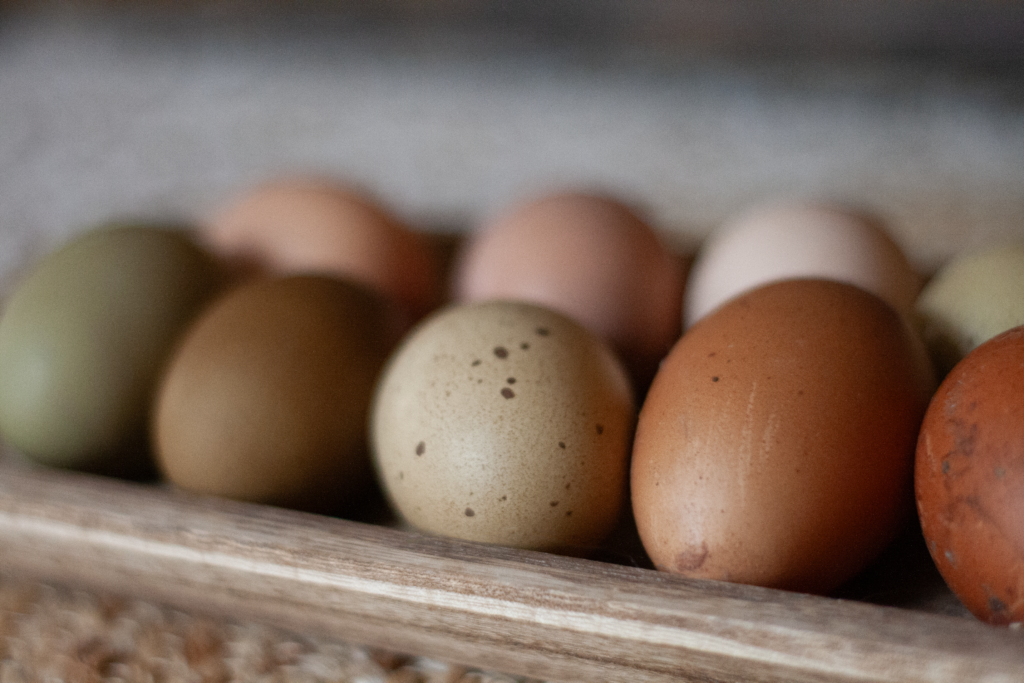
Backyard chickens can provide fresh eggs, manure for composting, pest control, and plenty of entertainment. However, chickens require more planning than planting tomatoes.
Before purchasing chicks, research your local zoning laws, HOA rules, and municipal ordinances. Some communities limit flock sizes, prohibit roosters, establish setback requirements, or prohibit poultry entirely.
You’ll also need a secure chicken coop with adequate ventilation, nesting boxes, roosting areas, predator protection, and sufficient outdoor space.
If chickens aren’t permitted where you live, don’t let that derail your homesteading plans. Livestock is only one tiny branch on a very large homesteading tree.
5. Learn to Preserve Your Harvest
Growing food is useful. Knowing how to safely store it makes your harvest significantly more valuable.
Food preservation for beginners can start with something as simple as freezing extra vegetables or drying fresh herbs.
As your skills develop, you might explore:
Food preservation helps reduce waste while allowing you to enjoy seasonal produce months after the garden has finished producing.
If you’re interested in home canning, always follow current, research-based food safety instructions from trusted sources such as university extension programs and the National Center for Home Food Preservation.
Canning is one area where Grandma’s mysterious handwritten recipe card isn’t necessarily the best instruction manual.
6. Reduce Household Waste
Self-sufficiency isn’t only about producing more. It’s also about needing less.
Look around your household and identify things you’re constantly purchasing and throwing away.
Could food scraps become compost? Could glass jars be reused for pantry storage? Could worn clothing become cleaning rags? Could you repair something instead of immediately replacing it?
You don’t need to eliminate every disposable product from your home. The goal is gradual improvement rather than chasing an imaginary perfectly sustainable household.
Reducing waste also tends to pair nicely with another homesteading goal: saving money.

7. Learn One Homesteading Skill at a Time
One of the easiest ways to become overwhelmed by urban homesteading is trying to learn everything simultaneously.
Pick one skill.
Learn to bake bread.
Then grow tomatoes.
Then start composting.
Then learn to preserve those tomatoes.
Then plant a fruit tree.
Over several years, those seemingly small skills begin stacking together into something substantial.
Other useful homesteading skills for beginners include sewing, basic home repairs, seed starting, seed saving, gardening, cooking from scratch, dehydrating food, preserving herbs, candle making, soap making, woodworking, and basic tool maintenance.
You don’t have to master them all. Choose the skills that make sense for your household.
Creating Your Own Urban Homestead
Perhaps the best part of urban homesteading is that there isn’t a single correct way to do it.
Your homestead might be a quarter-acre backyard packed with raised beds, berry bushes, fruit trees, chickens, and compost bins.
Or it might be an apartment balcony with six pots of herbs and tomatoes. Both count.
Start by asking a simple question: What is one thing my household currently buys that I could learn to grow, make, preserve, repair, or reuse myself?
Start there.
Plant the first tomato. Bake the first loaf of bread. Build the first raised bed. Save your first handful of seeds.
A homestead isn’t created by acreage. It’s created through hundreds of small decisions to become a little more capable, resourceful, and connected to the things that sustain your household.
And sometimes, an entire homestead begins with nothing more complicated than a packet of seeds and an empty patch of dirt.
