
Backyard Chickens for Beginners: What to Know Before Starting Your Flock

There’s something about raising backyard chickens that makes a home feel a little more like a homestead. Maybe it’s collecting warm eggs in the morning, hearing the hens chatter while you’re working outside, or watching the entire flock sprint across the yard because someone opened the back door with snacks.
Whatever the reason, chickens are often one of the first animals people consider when getting into urban homesteading. They don’t require acres of land, their daily care is fairly manageable, and fresh eggs are a pretty great perk.
If you’re considering backyard chickens for beginners, there are a few things worth knowing before you come home with a cardboard box full of peeping chicks.
Choose the Right Backyard Chicken Breeds
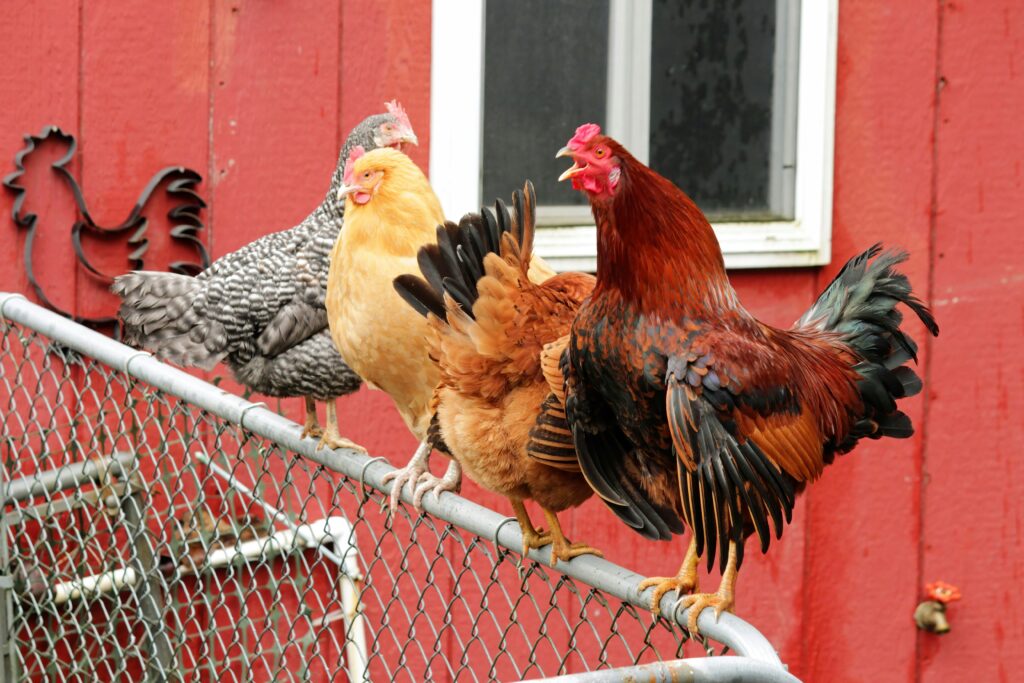
Not all chickens are the same, and choosing a breed entirely based on which chicks look cutest at the feed store can come back to haunt you.
Some breeds are fantastic egg layers, while others are known for being calm and friendly. Certain chickens tolerate cold winters particularly well, while others are better suited for warmer climates. Temperament matters too, especially if you have children or want chickens that are comfortable being handled.
Popular backyard chicken breeds like Buff Orpingtons, Australorps, Plymouth Rocks, and Easter Eggers are often good choices for a small homestead. They tend to be fairly easygoing while still providing plenty of eggs.
Think about what matters most to you before choosing your flock: egg production, temperament, weather tolerance, egg color, or a combination of everything.
Of course, there’s also nothing wrong with choosing one because she’s fluffy and you immediately decided her name is Henrietta.
That’s a perfectly legitimate chicken-selection strategy too.
A Good Chicken Coop Matters
Those beautiful little chicken coops you see online aren’t always designed with actual chickens in mind.
A functional backyard chicken coop needs good ventilation, predator protection, roosting space, and nesting boxes. Your outdoor run should also give your chickens room to scratch, dust bathe, and do all the strange little chicken things they’ll quickly convince you are completely normal.
Predator protection matters even on an urban homestead. Raccoons, hawks, dogs, and other animals can make quick work of an unsecured flock.
Hardware cloth is generally a better choice for securing a coop and run than traditional chicken wire. Ironically, chicken wire is pretty good at keeping chickens in, but it isn’t particularly impressive at keeping determined predators out.
You Don’t Need a Rooster for Fresh Eggs
One of the most common questions from new chicken keepers is whether hens need a rooster to lay eggs.
They don’t.
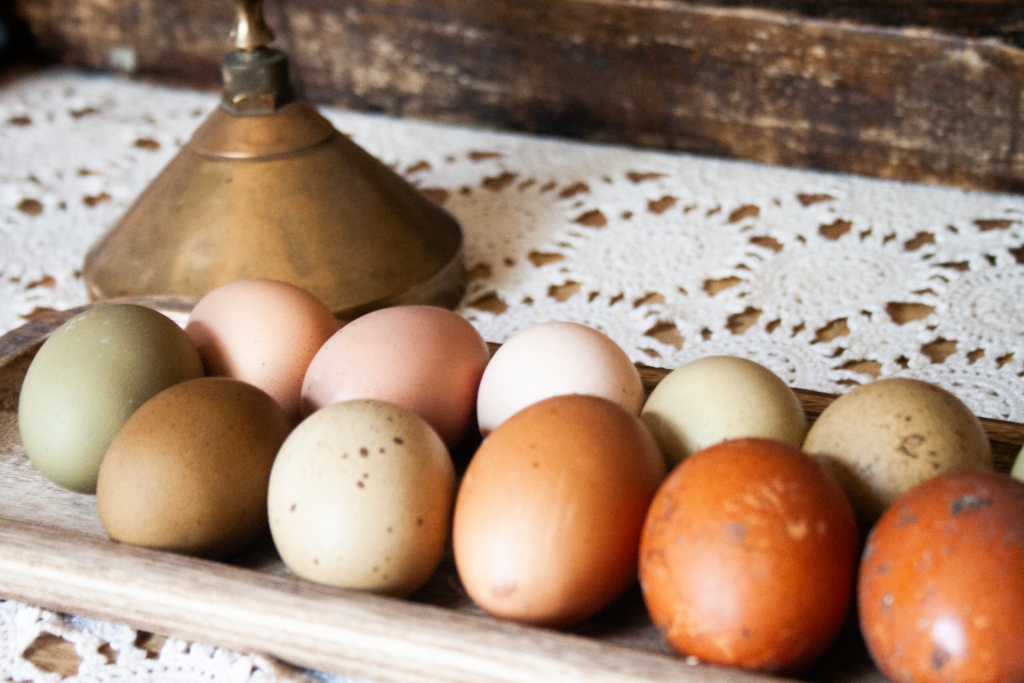
Hens will lay eggs without a rooster. You only need one if you want fertilized eggs for hatching chicks.
Roosters are also considerably louder than hens, so many people raising chickens in the backyard choose to keep an all-hen flock.
Your neighbors may appreciate this particular piece of homesteading knowledge.
Backyard Chickens Have Personalities
This was one of the things that surprised me most about chickens.
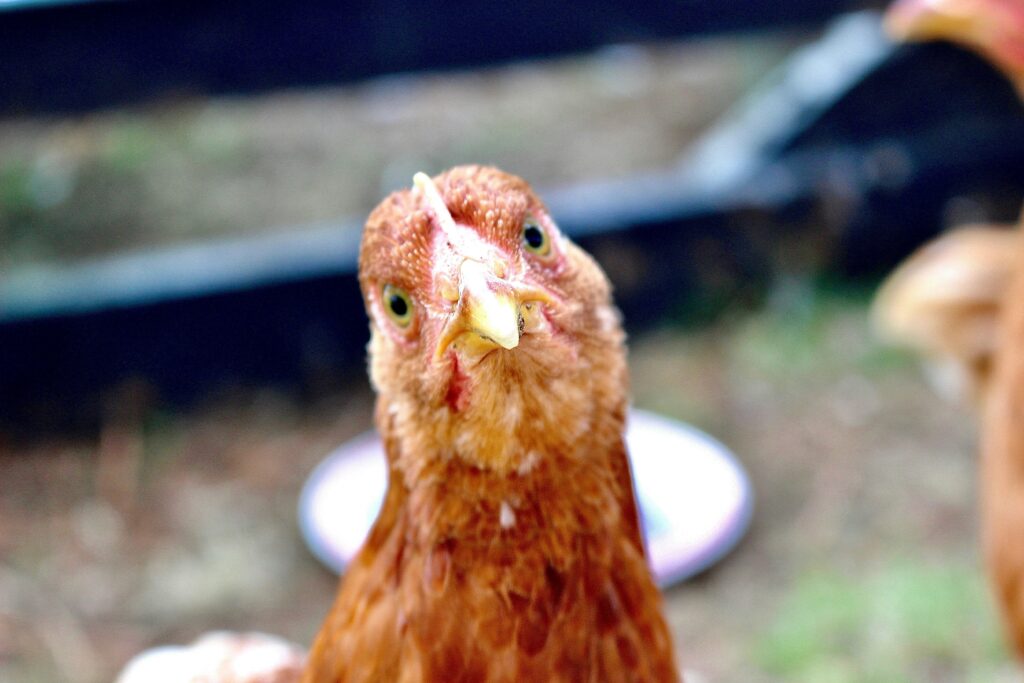
Spend enough time around a flock and you’ll quickly realize they aren’t interchangeable little egg machines. Some are friendly. Some are cautious. Some want to follow you everywhere.
And inevitably, there’s one who behaves like she’s personally in charge of the entire property.
Chickens establish a pecking order, develop their own habits, recognize routines, and learn exactly where the treats come from.
Their personalities are a big part of why people end up enjoying keeping backyard chickens far beyond the eggs they provide.
Fresh Eggs Are a Bonus, Not the Whole Story
Fresh eggs are certainly one of the best parts of keeping chickens, but egg production isn’t constant.
Hens may slow down during winter, while molting, as they age, or during stressful periods. Different chicken breeds also lay at different rates.
That’s worth considering before calculating how quickly your flock is going to eliminate the grocery-store egg budget.
Backyard chickens aren’t free eggs.
They’re feed, bedding, coop cleaning, frozen waterers in winter, muddy runs after heavy rain, and occasionally wondering how one chicken managed to get somewhere that should have been physically impossible.
But they’re also incredibly rewarding.
If you have the space and time to care for them, a small flock can be a wonderful addition to an urban homestead.
Just be warned: you might start with four. Chicken math has other plans.
Beginner’s Guide to Chickens
Need a little help getting started with backyard chickens? Check out our free printable resource guide with some important tips and tricks to make your chicken adventure successful and enjoyable.
